
The Love Guides · An editorial in four chapters

On dating, devotion & the art of staying close

Practical, compassionate dating advice and relationship advice — written for adults of every background and orientation, built on respect, consent, honesty and healthy expectations.

I

Beginnings

How to start dating — gently, and on your own terms

Starting to date — for the first time, after a long relationship or after a pause — is an act of quiet courage. Begin with reflection rather than urgency. What are you hoping for right now: companionship, a committed partnership, or simply meeting new people and seeing what unfolds? Naming your intention helps you choose the right spaces and communicate honestly.

  • Choose your venues. Prompt-led apps like Hinge or respect-focused apps like Bumble suit people who want considered conversations; clubs, classes and friends’ gatherings suit those who prefer meeting in person.
  • Set a sustainable pace. Decide how much time you will spend on dating each week so it enriches your life rather than consuming it.
  • Know your non-negotiables. Values such as honesty, kindness and shared life goals matter more than a long checklist of preferences.
Editor’s noteDating is a series of small experiments, not a test you pass or fail. Every pleasant coffee is a success, even if it doesn’t become a romance.

How to create a better dating profile

A dating profile is an invitation, not a résumé. The goal is to help the right people recognise you — and give them something easy to reply to. Specific, warm details always outperform generic statements like “I love travel and laughing.”

  • Photos: choose recent, well-lit pictures where your face is clear, plus one or two that show how you spend your time. Avoid heavy filters and group shots where it’s hard to tell who you are.
  • Prompts and bio: be specific (“the best ramen I’ve ever had was in a tiny basement in Manchester”) and include at least one natural question.
  • Intentions: state what you’re looking for kindly and clearly; it saves everyone time.
  • Tone: keep it positive — share what you love, rather than a list of what you don’t want.

Revisit your profile every few weeks. Small refinements — a fresher photo, a more inviting prompt — often make a meaningful difference.

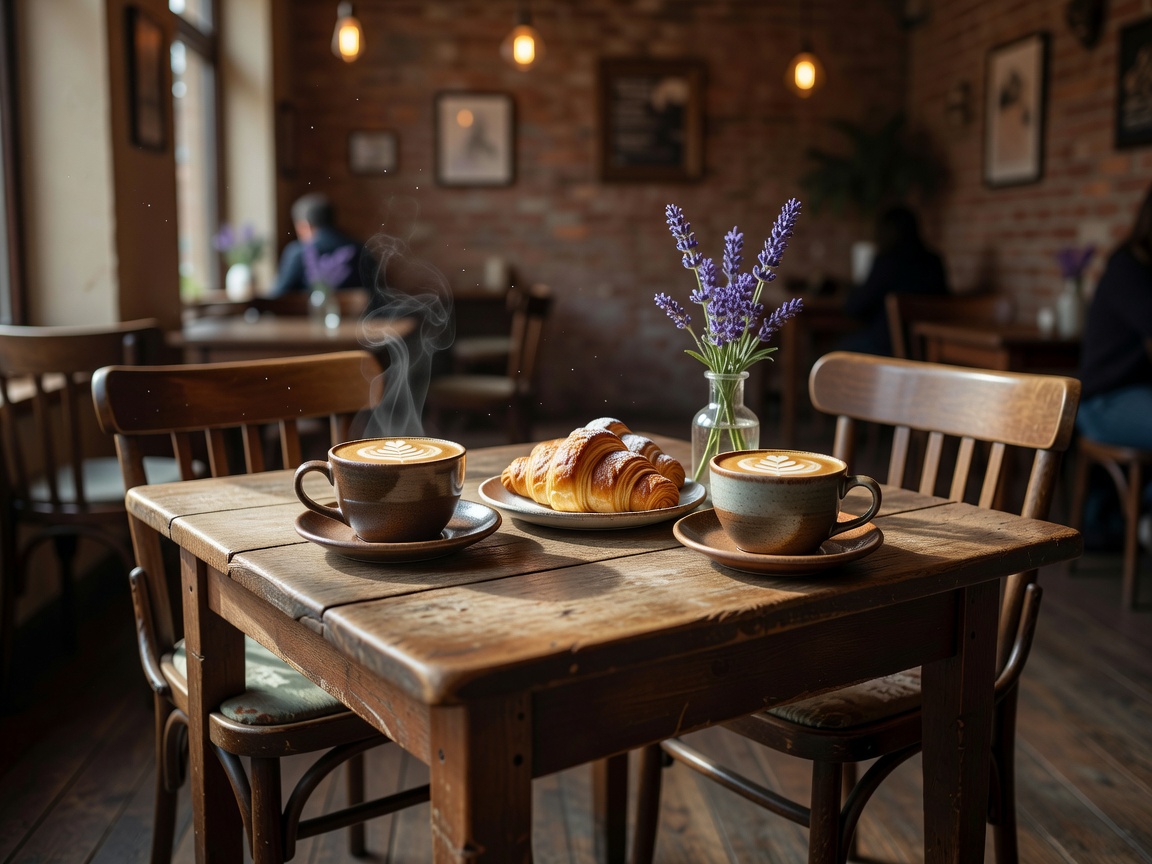
Two coffees on a café table awaiting a relaxed first date
the best first dates feel unhurried

Preparing for a first date

Preparation is less about perfection and more about feeling settled. Confirm the time and place a day ahead, plan how you’ll get there and home, and wear something comfortable that feels like you. A first date dating checklist can ease nerves:

  • Venue is public, familiar and easy to reach
  • A friend knows where you’ll be and roughly when you’ll check in
  • Phone charged; your own transport arranged
  • Two or three conversation starters in mind — just in case
  • A gentle plan for ending the date politely if it doesn’t click

First-date ideas that make conversation easy

The best first date ideas offer a shared focus, a comfortable setting and a natural ending point — with room to extend if you’re both enjoying yourselves.

  • Gallery and espresso: art gives you instant talking points.
  • A walk with a destination: a riverside path to a favourite bakery.
  • Small-plates supper: sharing dishes encourages relaxed conversation.
  • Bookshop browse: choose a book for each other, then compare picks over tea.
  • Morning market: bright, sociable and low-pressure.

Conversation starters that invite real answers

Good conversation starters are open-ended and curious. They invite stories rather than one-word replies, and they leave space for both people to share. Try our interactive conversation deck, or begin with these:

  • “What’s something you’re looking forward to this month?”
  • “Which place have you visited that surprised you most?”
  • “What does a perfect slow Sunday look like for you?”
  • “What’s a small thing that reliably makes your day better?”

Listen for the details in their answers and follow up — genuine curiosity is the most attractive conversational skill there is.

Dating confidence without the performance

Confidence isn’t about being the most charming person in the room; it’s about being at ease with who you are. It grows when you treat dating as a mutual exploration — you are also deciding whether you enjoy their company.

  • Prepare lightly, then let go of scripts.
  • Focus on curiosity rather than impressing.
  • Remember that a lack of chemistry isn’t a verdict on your worth.
  • Build a life you love outside dating — it naturally radiates.

If anxiety around dating feels overwhelming or persistent, speaking with a qualified counsellor can be a genuinely helpful step.

Dating safely

Dating safety education is about protecting your wellbeing while staying open to connection. Most dates are lovely; a few sensible habits help keep them that way.

  • Use in-app messaging and verification features before sharing personal contact details.
  • Consider a short video call before meeting.
  • Meet in public, arrange your own transport and tell a friend your plans.
  • Never send money to someone you haven’t met — this is a common sign of romance scams.
  • Trust your instincts. You can leave any date, at any time, for any reason.
Support is availableFor guidance on healthy relationships, boundaries and consent, visit love is respect (US). In an emergency, contact your local emergency number.
II

Deepening

How to communicate in a relationship

Healthy relationship communication rests on two equally important skills: expressing yourself honestly and listening generously. Most misunderstandings come not from a lack of love but from assumptions left unspoken.

  • Use “I” statements: “I felt overlooked when plans changed” lands more softly than “You always cancel.”
  • Reflect before responding: “So what I’m hearing is…” shows you’re truly listening.
  • Choose your timing: important conversations go better when you’re both rested and unhurried.
  • Name needs, not just complaints: tell your partner what would help.

Conversation tools like Gottman Card Decks can make practising these skills feel natural and even playful.

Building emotional connection

Emotional connection is built in small moments: noticing when your partner wants your attention and choosing to turn toward them. A shared smile at something funny, a question about their day, a hand on the shoulder during a stressful moment — these little responses accumulate into deep trust.

Stay curious about each other’s inner worlds. People change over time, and asking open questions — about hopes, worries and memories — keeps you current with who your partner is becoming.

Understanding compatibility

Compatibility is less about identical interests and more about aligned values, compatible life goals and a shared way of handling difficulty. Two people who love different hobbies can be beautifully compatible if they respect each other, communicate well and want similar things from life.

  • Core values: honesty, family, faith or spirituality, ambition, kindness.
  • Life goals: where you want to live, children, career priorities.
  • Everyday rhythms: social energy, money habits, how you rest.
  • Conflict style: how you each approach disagreement and repair.

Reflective tools such as the 5 Love Languages Quiz or couples quizzes in Paired can spark useful conversations — but no quiz can guarantee compatibility. The real measure is how you treat each other over time.

Healthy relationship habits

Healthy relationships aren’t perfect; they’re cared for. A handful of consistent habits do more than any grand gesture:

  • Express appreciation specifically and often.
  • Protect regular time together — even 20 phone-free minutes a day.
  • Keep your own friendships, interests and sense of self.
  • Apologise sincerely and accept apologies graciously.
  • Share the invisible work of daily life fairly.
Couple sharing a calm, attentive conversation side by side
listening is a love language too

Setting healthy boundaries

Boundaries are not walls; they are the honest edges of who you are. They protect your wellbeing and help your partner understand how to love you well. Healthy boundaries might concern time, personal space, digital privacy, physical affection, money or family.

Express boundaries calmly and clearly: “I need an evening to myself each week to recharge.” A caring partner may ask questions or negotiate details, but will respect the core of what you need. Consent — freely given, informed and able to be withdrawn at any time — is a boundary that is always non-negotiable.

Recognising a healthy relationship

A healthy relationship feels safe, mutual and supportive. You can be yourself, disagree without fear, maintain friendships and make your own choices.

  • Healthy signs: respect, trust, honesty, equality, kindness, comfortable independence, open communication.
  • Concerning signs: controlling behaviour, monitoring your phone, isolating you from friends, intimidation, pressure around intimacy, or making you feel afraid.

If something feels wrong, you deserve support. Organisations such as love is respect (US) and Relate (UK) offer guidance. In immediate danger, call your local emergency services.

Resolving disagreements

Every couple disagrees. What matters is how you disagree and how you repair. Start gently, focus on one issue at a time, and look for the need beneath the complaint.

  • Pause when emotions run high — agree to return to the conversation within a set time.
  • Seek to understand before seeking to be understood.
  • Look for compromise and accept that some differences are lasting and manageable.
  • Repair afterwards: a sincere apology, a touch, a kind word.

If the same conflicts recur without progress, structured programmes like Lasting or professional counselling via Relate can help.

III

Growing

Relationship milestones

Relationship milestones — defining the relationship, meeting friends and family, travelling together, moving in, making longer-term commitments — arrive on different timelines for every couple. Comparing your pace to others rarely helps; checking in with each other always does.

Before each milestone, talk openly about what it means to each of you. Moving in, for example, raises practical questions (finances, chores, space) and emotional ones (independence, expectations). Celebrate milestones in ways that feel meaningful to you both.

Long-distance relationship advice

Long-distance relationships ask for intention, creativity and trust — and many couples find the distance deepens their communication.

  • Agree on rhythms: how often you’ll talk and in what format, respecting time zones and schedules.
  • Create shared rituals: a daily question in Paired, a weekly video dinner, a shared playlist.
  • Plan visits: something to look forward to makes the distance easier.
  • Discuss the future: talk honestly about whether and how the distance might eventually close.
  • Send small surprises: handwritten letters remain wonderfully romantic.

Maintaining connection through busy seasons

Careers, caregiving, children and life transitions can leave couples feeling like colleagues. Maintaining connection means protecting small rituals: a morning coffee together, a goodnight message, a monthly date on the calendar. When time is scarce, prioritise quality over quantity — ten minutes of undivided attention can matter more than an evening spent half-distracted.

Relationship check-ins

A relationship check-in is a regular, relaxed conversation about how you’re both doing. It catches small issues early and creates space for appreciation.

  • What went well for us this week?
  • Is there anything on your mind that we haven’t talked about?
  • How can I support you in the coming week?
  • What’s something we could look forward to together?

Keep check-ins warm, brief and judgement-free — a candlelit ritual rather than a performance review.

IV

Inspiration

Couple activities to share

Shared novelty — trying something new together — is one of the loveliest ways to rekindle a sense of adventure.

  • Take a cooking, pottery or dance class together.
  • Plan a “passport day” exploring a neighbourhood you’ve never visited.
  • Start a shared reading list and discuss each chapter over dinner.
  • Volunteer together for a cause you both care about.
  • Create a memory jar and add notes throughout the year.
Candlelit fine-dining table set for a romantic evening
an evening worth dressing up for

Romantic date ideas

  • Candlelit supper at home: dim lights, cloth napkins, a three-course menu you cook together.
  • Stargazing picnic: blankets, a thermos and an app to name the constellations.
  • Recreate your first date: same place, same order — new memories.
  • Sunrise walk: quiet streets, golden light and fresh pastries.
  • Love-letter evening: write each other letters and read them aloud.

Keeping romance alive

Romance thrives on attention. It is the continued decision to notice, appreciate and delight your partner long after the early sparks settle into something steadier and deeper.

  • Flirt with your partner as if you were still courting.
  • Keep a list of things they mention loving — and surprise them later.
  • Protect a regular date night, even at home.
  • Say “thank you” for the everyday, not only the extraordinary.
  • Speak each other’s love languages deliberately.

Guide FAQs

What is a good first date idea?

Choose somewhere public, relaxed and easy to extend or end — a coffee and gallery visit, a walk followed by a drink, or a small-plates supper.

How often should couples do a relationship check-in?

Many couples find a short weekly check-in helpful, with a deeper conversation every few months. Choose a rhythm that feels supportive rather than formal.

How do you keep a long-distance relationship strong?

Agree on communication rhythms, create shared rituals, plan visits when possible, and talk openly about a future where the distance closes.

Is this guide a substitute for counselling?

No. Our guides offer general information only. For mental-health, medical, legal or counselling concerns, please consult a qualified professional.

Continue your story

Find the right companion tools